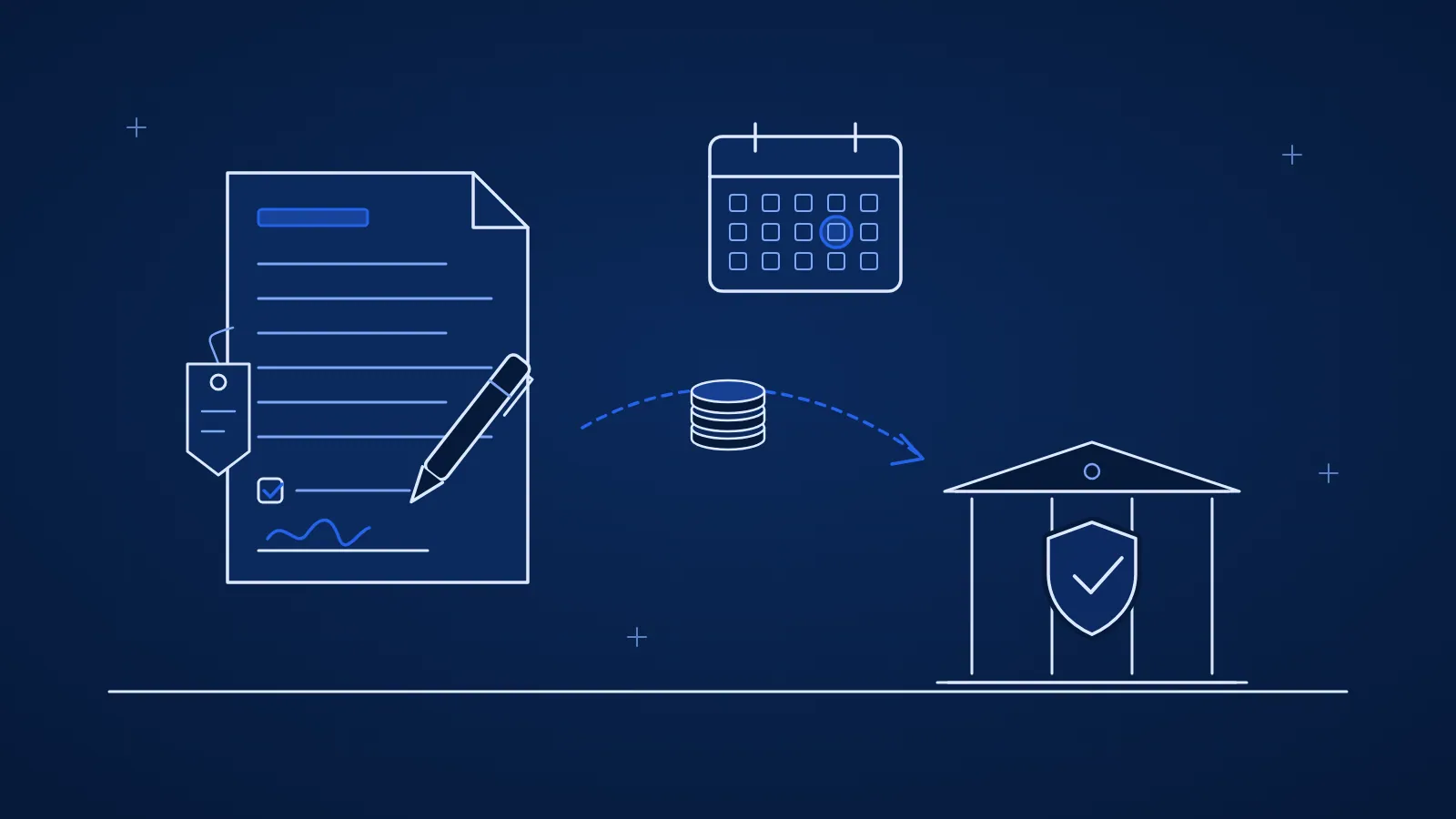
How to Check an Off-Plan Project in Oman Before You Pay: Licence, Escrow and Advertising Permit
A step-by-step verification guide for off-plan buyers in Oman: which licences to ask for, what each one proves, where your money must go and the warning signs that should stop a payment.

In an off-plan purchase you pay for a home that does not exist yet. The only things standing between your money and the finished unit are a set of licences, a bank account you cannot see and a contract. If any of those is missing, no amount of marketing will protect you.
Oman tightened the rules in 2026. Under the Real Estate Regulation Law (Royal Decree 79/2025), a developer may not develop, advertise or sell a project without the Ministry of Housing and Urban Planning's licences, and buyers' payments must go into an escrow account opened in the project's name [1][2]. In July 2026 the Ministry urged buyers to confirm that both the developer and the project are licensed and registered before they pay or sign [3][4][5]. This guide shows you how to do that, document by document. For every change since 2020 with dates and status, see the Oman property law changes timeline.
- 3Ministry approvals before an off-plan project is marketed: developer, project, advertising [3]
- 20%of project cost that must be secured in the project's escrow account before advertising [8]
- 10 yearsdeveloper liability for major structural defects after handover [2]
- OMR 100,000maximum fine for unlicensed development, advertising or escrow breaches [2]
What must be verified before buying off-plan in Oman?
Think of verification as a chain. Each link answers a different question, and a buyer needs all of them:
| Check | Question it answers | Issued or held by |
|---|---|---|
| Developer licence | Is this company allowed to work as a real estate developer? | Ministry of Housing and Urban Planning [6] |
| Project licence | Is this project — and this phase — approved for off-plan sale? | Ministry of Housing and Urban Planning [7] |
| Advertising permit | Was the project allowed to be marketed? | Ministry of Housing and Urban Planning [8] |
| Escrow account | Where must my money go, and who controls it? | A licensed bank, under Ministry rules [1][7] |
| Land rights | Does the developer own the land or hold a registered usufruct? | Real estate register [2][9] |
| Ownership eligibility | May I, as a foreigner or GCC national, own this unit? | Law and the project's legal status [15] |
| Contract | What are my rights if the project is late, changes or fails? | Ministry-approved off-plan sale contract [2] |
Understand the legal framework
Royal Decree 79/2025 issued the Real Estate Regulation Law on 10 September 2025; it was published in the Official Gazette on 14 September 2025 and took effect 180 days later, in March 2026 [1][13]. It brings development, off-plan sales, brokerage, valuation, jointly owned property and escrow accounts under the Ministry of Housing and Urban Planning (MoHUP), and repealed the 2018 escrow system for real estate projects [2].
- Licensing: no one may practise real estate development without a Ministry licence; each project needs its own licence and each phase is treated as a separate project. The Ministry keeps a register of licensed developers and a register of projects [2][12].
- Advertising: advertising, promoting or marketing a project, or holding a property exhibition, requires a project-specific Ministry licence [2].
- Escrow: the developer must open an escrow account in the project's name at a licensed bank, with a separate account for each phase. Funds in it cannot be seized by the developer's creditors except to meet the project's obligations and buyers' rights [2].
- Contracts: the developer must use an off-plan sale contract approved by the Ministry; any other contract transferring a unit before completion is void [2].
- Penalties: unlicensed development, unlicensed advertising and unlawful escrow withdrawals carry one to three years' imprisonment and/or a fine of OMR 10,000–100,000 [2].
Two other instruments matter. The Real Estate Registry Law (Royal Decree 56/2026), in force since May 2026, lets off-plan units and their sales be recorded before completion; an unregistered transaction leaves the buyer with only a personal claim against the seller [10]. And projects in special economic zones and free zones follow their own off-plan rules issued by OPAZ in 2026 [11].
Verify the developer's identity and authorization
A company registration only shows that a business exists. To develop in Oman, it needs a real estate development activity licence from MoHUP. The government service lists two conditions: a commercial registration for real estate development (activity code 711008) and proof of financial capacity [6]. For off-plan projects, the developer must be a legal entity, not an individual [2].
- Ask for the commercial registration and the MoHUP development licence, and check that the legal name and registration number match exactly.
- Check that the company on the reservation form and the sale contract is the licensed developer — not a sales agency, a holding company or a related company with a similar name.
- If you deal through an agent, ask for the agent's brokerage licence: brokerage and marketing also require a Ministry licence [13].
- Confirm the details with MoHUP. The law creates a register of licensed developers [2]; we did not find a public online search for it, so ask the Ministry directly.
Check the project's official licence
The project licence is the key document for an off-plan buyer. It is issued per project — and per phase — and only to a developer that already holds a development licence [7][2]. The government service lists what a developer must submit to get it [7]:
- title deed or a registered usufruct contract for the land;
- initial approval and maps;
- the off-plan sale contract;
- the agreement with the project consultant and an implementation plan;
- a land valuation;
- and an escrow account, with 20% of the project value or the land value secured in it.
Ask for a copy of the licence and check that the project name, phase, plot number and developer match your unit. A licence for Phase 1 does not cover Phase 2 [2]. The law also requires the Ministry to keep a register of projects open to public inspection [2]; until a public search is available, confirm the licence with MoHUP's Real Estate Development Services Centre [3].
Check the advertising or marketing permit
Since 2026, marketing an off-plan project — in newspapers, on social media, on billboards or at exhibitions — requires a separate advertising and promotion permit from MoHUP [8][2]. According to the government service, the developer can obtain it only if [8]:
- the project is registered on the Ministry's Tatwir platform;
- an escrow account is open with a licensed bank;
- the account holds at least 20% of the total project cost — the land value or completed works can count towards it;
- advertising paid from escrow funds stays within 3% of the amounts held.
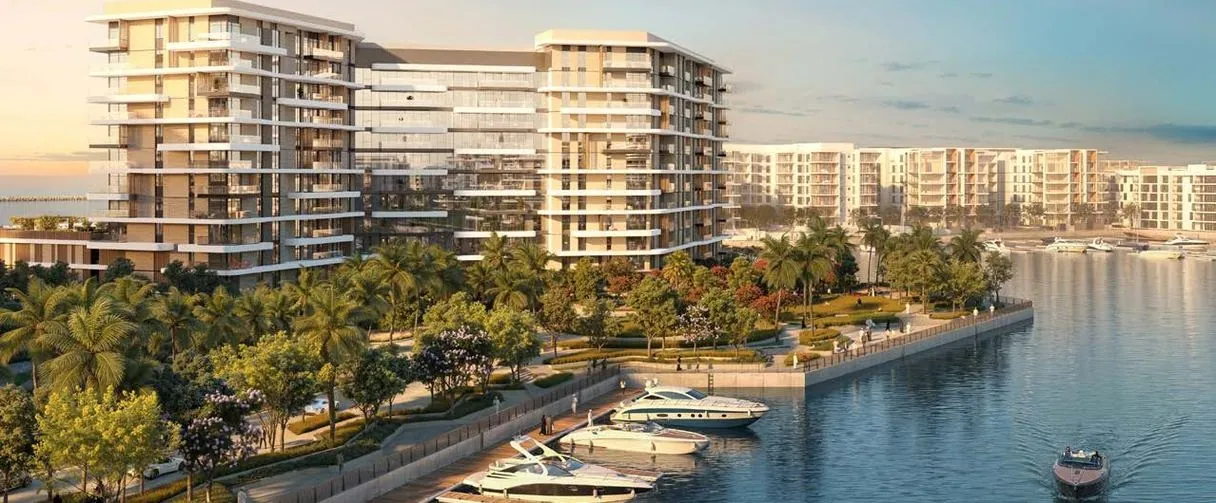
An advertising permit is useful evidence, but it is not a guarantee of completion, quality or price. It shows that the project passed the Ministry's checks for marketing at that date. Ask the developer or agent for the permit behind any advertisement you rely on.
Verify the escrow account and payment instructions
Escrow is the core protection for off-plan money. Your payments must go into an account opened in the project's name at a licensed bank; opening or closing it needs Ministry approval; and a share of sales is retained for a year after handover to secure the developer's performance [2][12]. The government service names three banks for this account: National Bank of Oman, Sohar International and Bank Dhofar [7]. More than 90 projects were already registered in the escrow system by March 2025 [14].
Payment-safety checklist
- The account name refers to the project (and phase), not the developer's general company account.
- The bank is a licensed bank in Oman; payment instructions come on the developer's letterhead and match the sale contract.
- Never pay a deposit into a personal account, an agent's account or by cash without an official receipt.
- Keep every transfer receipt and ask for a receipt that names the project and your unit.
- If payment details change by email or message, call the developer on a known number before paying — change-of-account requests are a common fraud pattern.
Verify land ownership and development rights
The law requires the developer to own the project land or hold a usufruct right under a Ministry-approved, registered contract [2]. After the project licence is issued, the land cannot be transferred without Ministry approval [2].
- Ask for the title deed or the registered usufruct contract for the plot, and check the plot number against the project licence and the site plan.
- The title deed is the only proof of ownership [10]. MoHUP's property information certificate service lists an owner's properties but states that it does not itself prove ownership [9].
- Visit the site, or check the location on the official map, to confirm the plot matches what is being marketed.
Confirm foreign ownership eligibility
A project licence does not mean a foreigner may own a unit in it. Non-Omanis may own property only in permitted locations — mainly Integrated Tourism Complexes (ITCs) and approved projects in special developments [15]. A project can be fully licensed and still be open only to Omani buyers.
- Ask whether the project is an ITC or in another area where your nationality may own, and get it in writing. See our ITC directory.
- Check whether you will receive freehold title or a usufruct right. Our foreign ownership guide and freehold guide explain the difference.
- If the project is in a special economic zone or free zone, ask which authority licensed it — OPAZ rules apply there [11].
Review the reservation agreement
Reservation forms are market practice, not a separate legal category. Under the law, the contract that transfers a unit before completion must be the Ministry-approved off-plan sale contract [2]. A reservation should therefore be short, refundable on clear terms and lead to that contract. Our guide to property reservation agreements covers deposits, refund triggers and the clauses to check in detail.
- Does it name the licensed developer, the project licence and the unit?
- How much is the deposit, where is it paid, and is it refundable if the sale contract is not signed — within how many days?
- Does it lock the price and payment plan, or only hold the unit?
- Whether a developer may take a reservation payment before its advertising permit is issued is not separately addressed in the sources we found; given that marketing itself requires the permit [2][8], treat any pre-permit payment as a red flag.
Review the sale and purchase agreement
The off-plan sale contract must be approved by the Ministry and set out the rights and obligations of both parties; the buyer pays the agreed instalments and the developer builds according to the agreed stages [2]. Statutory protections are the minimum — the rest is negotiated.
| Term | Set by law | Negotiated in your contract |
|---|---|---|
| Contract form | Must be the Ministry-approved off-plan sale contract [2] | Unit details, price, schedule |
| Payments | Into the project's escrow account [2] | Instalment amounts and milestones |
| Registration | Off-plan sales recorded in the preliminary register [10][12] | Who pays which fees and when |
| Defects | 10-year liability for major structural defects [2]; sales share retained one year after handover [2] | Snagging procedure, finishes warranty |
| Delay | Consultant reports a stalled project to MoHUP within 30 days [2] | Handover date, grace period, compensation |
| Cancellation and refunds | Not set in detail in the sources we found | Refund amount, deductions, timeline |
| Disputes | MoHUP may refer a stalled project to court [2] | Governing law, forum, mediation |
Have an independent lawyer licensed in Oman review the contract before you sign. For the wider purchase process, see our guide to buying off-plan property in Oman.
Check construction progress and handover commitments
Escrow withdrawals are tied to approved construction stages, and the project consultant plays a formal role: if a project stalls, the consultant must report the reasons to MoHUP within 30 days, and the Ministry either works on a solution or refers the matter to court [2].
- Ask for the construction programme and the latest consultant progress report, not only photos.
- Compare the promised handover date with the contract date — the contract is what counts.
- Visit the site at intervals, or ask for dated progress updates.
- For projects already marketed, ask how far the developer has funded the project: the 20% escrow requirement applies before advertising [8].
Documents to request before paying
This verification matrix connects each document to what it proves and who can confirm it. Where we found no public online check, we say so.
| Document | Why it matters | Who provides it | How to verify |
|---|---|---|---|
| Commercial registration | Identifies the legal entity you contract with | Developer | Name and number match the licence and contract |
| Real estate development licence | Allows the company to act as a developer [6] | Developer | Confirm with MoHUP; no public online search found |
| Project licence (for your phase) | Approves this project for off-plan sale [7] | Developer | Project, phase and plot match; confirm with MoHUP |
| Advertising permit | Shows the marketing was authorised [8] | Developer or agent | Permit covers this project; confirm with MoHUP |
| Escrow account letter | Shows where buyer money must go [2] | Developer or bank | Account is in the project's name at a licensed bank |
| Title deed or usufruct contract | Shows the right to develop the land [2] | Developer | Plot number matches the licence; title deed is the proof of ownership [10] |
| Ownership eligibility confirmation | Shows you may own this unit [15] | Developer | ITC or permitted area, in writing |
| Draft sale contract | Defines your rights and the developer's obligations [2] | Developer | Ministry-approved form; reviewed by your lawyer |
| Payment schedule | Links instalments to milestones | Developer | Matches the contract and escrow details |
| Consultant progress report | Evidence of actual construction | Developer | Dated, signed by the appointed consultant |
| Broker licence | Shows the agent may market property [13] | Agent | Confirm with MoHUP |
Red flags that should stop a payment
| Warning sign | Why it matters | Recommended action |
|---|---|---|
| No licence numbers, or "the licence is coming" | Marketing and selling without licences is an offence [2] | Do not pay until you have the project licence |
| Payment to a company or personal account | Buyer payments must go to the project's escrow account [2] | Stop; ask for escrow details on letterhead |
| Seller is not the licensed developer | Your rights run against the party in the contract | Contract only with the licensed developer |
| Pressure to pay today to "secure the price" | Urgency removes time to check | Pause; a genuine offer survives a few days of checks |
| Unit not in an ITC or permitted area | You may not be able to register ownership [15] | Get eligibility confirmed in writing |
| Payment details change by email or message | Common payment-fraud pattern | Call the developer on a known number |
| Contract is not the Ministry-approved form | Other contracts transferring a unit before completion are void [2] | Ask for the approved contract; have it reviewed |
| No consultant or construction programme | No one is formally certifying progress | Ask who the consultant is before paying |
| Guaranteed returns or residency promises | Marketing claims are not government decisions | Ask for the legal basis in writing |
Before you pay: step-by-step checklist
Work through these in order. Tick them off as you go — your progress is saved in this browser.
Your ticks are saved in this browser only.
What to do if you discover a problem
Stop further payments
Do not pay the next instalment until you have the missing licence or document. Keep all receipts, contracts and messages.
Ask the developer in writing
Request the licence numbers, escrow details or explanation in writing and give a reasonable deadline.
Misleading advertising
Report the advertisement to MoHUP. The Consumer Protection Authority also warns consumers about misleading advertising in general [16].
Delays and contract breaches
For a stalled project, the consultant must report to MoHUP within 30 days and the Ministry may refer the case to court [2]. For contract disputes, take advice from a lawyer licensed in Oman.
We cannot promise any refund or outcome — that depends on your contract, the facts and the authorities' decisions.
Off-plan projects on Homelist
These are some of the off-plan projects listed on Homelist. A listing is not a licence check: use the checklist above for any unit you consider, and ask us to request the documents from the developer.



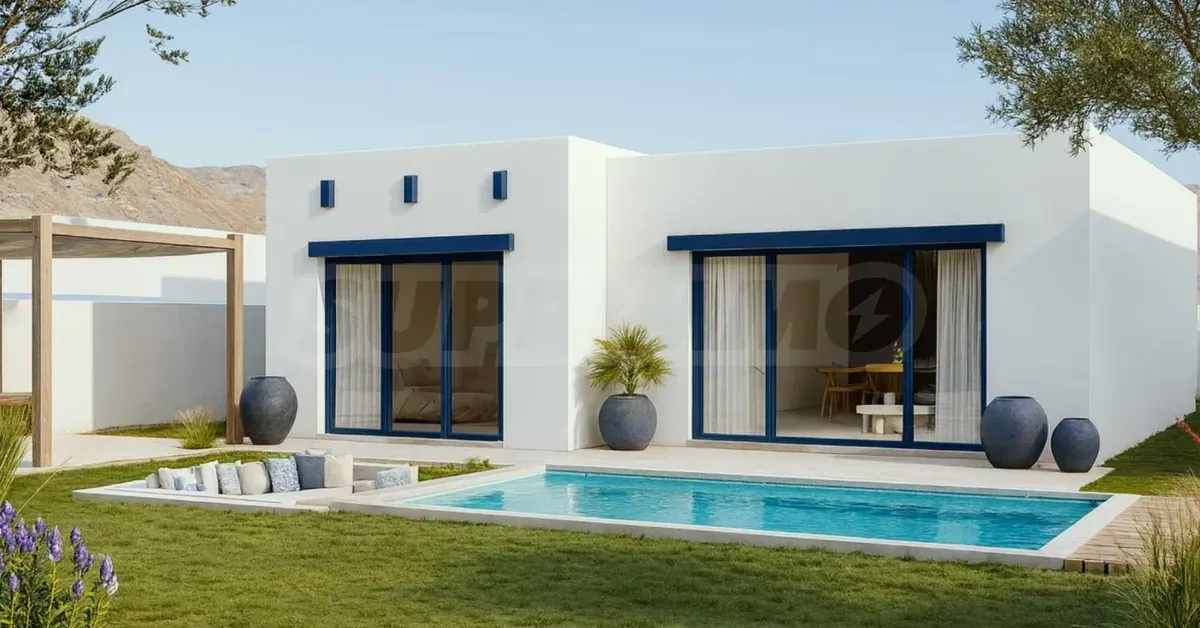

Sarooj Construction
Sarooj Oasis, Sultan Haitham City
Sultan Haitham City, Muscat
- Handover
- 2028
Conclusion
Oman's 2026 rules give off-plan buyers real tools: licences per developer, project and advertisement, a project escrow account and a Ministry-approved contract. They only protect you if you use them before money leaves your account. Ask for each document, match the names and numbers, pay only into escrow and confirm anything you cannot see online directly with the Ministry.
Homelist helps buyers choose projects responsibly. Browse off-plan projects, compare developers, read our off-plan buying guide or contact our team — we will request the licence and escrow details for the units you shortlist. To see which projects launched or are due to hand over in 2026–2027, read new real estate projects in Oman.
Frequently asked questions
How do I check if an off-plan project in Oman is licensed?
Ask the developer for the project licence issued by the Ministry of Housing and Urban Planning and check that the project name, phase, plot and developer match your unit. The law requires the Ministry to keep a register of projects; we did not find a public online search, so confirm the licence directly with the Ministry.
Does an advertising permit mean the project is safe?
No. An advertising permit shows that the Ministry allowed the project to be marketed, after checks such as escrow registration. It does not guarantee completion, quality, the handover date or the price.
Where should I pay my off-plan deposit in Oman?
Into the project's escrow account at a licensed bank, opened in the project's name. Do not pay into a personal account, an agent's account or the developer's general company account.
Is escrow mandatory for off-plan projects in Oman?
Yes. Under Royal Decree 79/2025 the developer must open an escrow account in the project's name, with a separate account for each phase, and buyers' payments go into it. Opening or closing the account needs Ministry approval.
Can a licensed project still be closed to foreign buyers?
Yes. A project licence approves the development, not who may own in it. Non-Omanis may own only in permitted locations such as Integrated Tourism Complexes, so confirm eligibility in writing.
What happens if an off-plan project in Oman is delayed?
If a project stalls, the project consultant must report the reasons to the Ministry within 30 days, and the Ministry works on a solution or refers the matter to court. Your compensation and refund rights depend on your contract.
Is there a public online register of developers in Oman?
The law requires the Ministry to keep registers of licensed developers and projects. We did not find a public online search at the time of writing, so confirm a developer's licence directly with the Ministry.
What penalties apply to unlicensed off-plan sales in Oman?
Developing, implementing or advertising a project without a licence, or withdrawing escrow funds unlawfully, can lead to one to three years' imprisonment and/or a fine of OMR 10,000 to 100,000.
Last verified: Laws, government services and fees checked on 11 November 2026 against the sources listed below. The executive regulation of the Real Estate Regulation Law had not been published at that date — this guide is reviewed every three months and after any new decision.
This guide is general information, not legal advice, and no lawyer has reviewed it. It does not assess any named developer or project. Requirements depend on the project's legal framework and the current regulations; confirm them with the Ministry of Housing and Urban Planning and, for a contract, with an independent lawyer licensed in Oman before you pay.
Sources and official references
- Royal Decree 79/2025 issuing the Real Estate Regulation Law (Official Gazette 1613, 14 Sep 2025) — decree.om
- Shuoon (Sep 2025) — Details of the Royal Decree issuing the Real Estate Regulation Law (Articles 6, 8–37, 63–65)
- Oman Observer (25 Jul 2026) — Oman reinforces property market rules (Ministry of Housing and Urban Planning)
- Oman Daily / ONA (25 Jul 2026) — Ministry of Housing continues efforts to regulate the real estate sector (Arabic)
- Times of Oman (25 Jul 2026) — Oman strengthens real estate regulations to boost investor confidence
- Gov.om / Ministry of Housing and Urban Planning — Get real estate development activity license (updated 2 Jul 2026)
- Gov.om / Ministry of Housing and Urban Planning — Get real estate development project license (updated 2 Jul 2026)
- Gov.om / Ministry of Housing and Urban Planning — Get a permit to advertise local properties within Oman (updated 2 Jul 2026)
- Gov.om / Ministry of Housing and Urban Planning — Get property information certificate
- Trowers & Hamlins (Jul 2026) — Oman's new Real Estate Registry Law (RD 56/2026)
- Oman Observer (21 Sep 2026) — Oman sets 20% threshold for off-plan marketing (OPAZ Decision 81/2026)
- Al Tamimi & Co. — Investor protection in GCC real estate: developer requirements (Oman section)
- BSA Law (Nov 2025) — Real Estate Regulation Law 79/2025: towards sustainable real estate governance
- Oman Observer (9 Mar 2025) — Escrow system boosts real estate investment
- Gov.om / Ministry of Housing and Urban Planning — Own real estate in tourist complexes
- Oman Observer (20 Feb 2025) — Consumer Protection Authority alerts public on misleading advertisements
- Oman Daily (14 Sep 2025) — The Real Estate Regulation Law: a legislative framework protecting rights (Arabic)