Muscat or Salalah? Where to Buy Property in Oman
Two very different places to own a home in Oman: Muscat, the year-round capital region with several ITC communities, and Salalah, a seasonal resort market built around the khareef and the winter. Compared on climate, demand seasons, asking prices, yields, residency and rules.

Muscat vs Salalah property is the question many foreign buyers reach after they have decided on Oman. The two are different bets. Muscat is the capital region: several integrated tourism complexes (ITCs), lower entry prices and many more listings. Salalah, in Dhofar, is a seasonal resort market: in practice one main ITC, Hawana Salalah, a milder climate, and demand packed into the khareef monsoon and the winter. This guide compares them on climate, demand seasons, dated asking prices (ranges and 'from' figures only), yields, residency and rules, and it marks every gap in the data.
- Scope
- Muscat ITC communities vs Salalah (Hawana Salalah)
- Data cut-off
- 21 November 2026
- Price rule
- Dated asking prices, shown as 'from' figures or ranges only
- Not covered
- Land, commercial property, Omani-only areas
- Khareef 2026 visitors, 21 Jun–31 Aug1,116,051▲+8.6% vs 202573.2% were Omani [5]
- Salalah asking pricesfrom OMR 129,602●2 listings Hawana Salalah chaletsHomelist, 21 Nov 2026; a thin sample [19]
- Muscat ITC asking pricesfrom OMR 50,000●Muscat Hills Al Mouj from OMR 81,000Homelist, 21 Nov 2026 [22]
- ITC owner residence visa2 years●OMR 50 No published minimum valueSame rule in Muscat and Salalah [11]
Muscat vs Salalah property at a glance
| Muscat | Salalah | |
|---|---|---|
| Where foreigners can buy | ITCs and other designated areas, including Al Mouj, Muscat Hills, Muscat Bay, Yiti and Jebel Sifah [2][3] | In practice Hawana Salalah ITC; Royal Decree 29/2018 bars non-Omanis in Dhofar outside Salalah except in ITCs [1][2] |
| Climate | Hot: average maximum about 39–40 °C in May–June [10] | Milder: about 33 °C in May–June, 29–30 °C in the khareef [9] |
| Demand pattern | Capital region; not tied to one visitor season | Two peaks: the khareef (21 Jun–21 Sep) and the winter season [5][7][8] |
| Lowest asking price, 21 Nov 2026 | From OMR 50,000 (Muscat Hills); from OMR 81,000 (Al Mouj) [22] | From OMR 129,602 (Hawana Salalah, 2 listings) [19] |
| Price per m² reference | Muscat Hills about OMR 790–800; Al Mouj about OMR 1,150–1,310 [21][26] | About OMR 1,560–1,620 from two asks; no official Salalah price index found [19] |
| Rental yield | Muscat Hills 6.8–7.4% gross; Al Mouj 4.6–5.1% gross (Homelist estimates) [20] | No reliable published data; hypothetical net 0.5–2.3% [24] |
| ITC owner residence visa | 2 years, OMR 50, no published minimum value [11] | Same rule [11] |
| Golden Residency | OMR 200,000, completed ITC unit with title deed, 10 years [13] | Both Homelist listings are below OMR 200,000 [19] |
| Choice and resale | Many more listings across several communities [22] | Two listings in one ITC; selling can take time [19][24] |
| Where to read more | Muscat area guide and Al Mouj vs Muscat Hills | Buying property in Salalah, Salalah area page and Hawana Salalah |
Two cities, one long drive apart
Muscat and Salalah sit at opposite ends of Oman's coast. The ownership rules that apply in each place come from the same national framework [2][3], but the places themselves, and the way a home is used there, differ.
Map
Muscat and Salalah
- Muscat
Capital region. ITCs Al Mouj, Muscat Hills, Muscat Bay and Yiti allow foreign ownership [2][3]. Read more
Outlines: Natural Earth (public domain). The distance is a straight-line figure calculated by Homelist from coordinates; road distance is longer.
Climate and seasons: the deciding difference
The biggest practical difference is not price but rhythm. Salalah's average maximum temperature stays near 27–33 °C all year and dips to 29–30 °C in the khareef, while Muscat's reaches about 39–40 °C in May and June [9][10]. That draws visitors to Dhofar in the monsoon from 21 June to 21 September, mainly Omanis and Gulf residents, and in the winter, when visitors come from abroad [5][7][8].

- Muscat
- Salalah
Salalah: long-term CRU/Met Office averages via Weather2Travel [9]. Muscat: NOAA 1991–2020 normals [10]. Methods differ; the comparison is indicative.
| Period | Muscat | Salalah |
|---|---|---|
| December – April | Average maximum about 25–35 °C [10] | About 27–32 °C; visitors from abroad, including charters from Russia and Kazakhstan [8][9] |
| May – 20 June | About 39–40 °C, the hottest months [10] | About 33 °C; few tourists [9] |
| 21 June – 21 September (khareef) | About 35–37 °C [10] | About 29–30 °C, misty and green; peak in August, mainly Omanis and Gulf residents [5][7][9] |
| Late September – November | About 30–35 °C [10] | About 30–31 °C; flights from Moscow resume in September [8][9] |
The khareef is growing: 1,116,051 people visited Dhofar from 21 June to 31 August 2026, 8.6% more than a year earlier [5]. In the first period alone, 21 June to 31 July, the figure was 472,449, up 6.9% [6]. But the season is short. In 2025, July and August made up 94% of khareef visitors and only 43,483 came between 1 and 21 September [7].
21 June – 31 July 2026: 472,449 [6]. August 2026 is a Homelist calculation: 1,116,051 visitors by 31 August [5] minus 472,449. September 2026 data are not yet published, so September 2025 is shown [7].
Asking prices: what you pay to start
Prices in Oman are best read as dated asking prices. On 21 November 2026 the lowest Homelist asking price in each community was as follows. We show 'from' figures and ranges only; a 'from' price is the cheapest listed unit, not a typical price.
| Community | City | Homelist asking prices, 21 Nov 2026 | Price per m² reference |
|---|---|---|---|
| Hawana Salalah | Salalah | From OMR 129,602 (two chalets, 83 m² and 110 m²) | About OMR 1,560–1,620 from those two asks [19] |
| Muscat Hills | Muscat | From OMR 50,000 | About OMR 790–800 [21][26] |
| Yiti | Muscat | From OMR 75,900 | No reference found [22] |
| Al Mouj | Muscat | From OMR 81,000 | About OMR 1,150–1,310 [21][26] |
| Muscat Bay | Muscat | From OMR 102,555 | No reference found [22] |
'From' figures are the cheapest listed unit in each community; unit types and sizes differ [19][22].
Buying costs are the same in both places: 3% of the value at registration, fixed ministry fees and a OMR 25 form for non-Omanis [18]. Buying from a developer can add 5% VAT if it is not included in the price; see property buying costs in Oman.
Income: even in Muscat, bunched in Salalah
If you plan to let the home, the shape of the year matters as much as the price. In Salalah income arrives mainly in the khareef and the winter, while the service charge, utilities and upkeep run all year [24]. In Muscat there is no comparable seasonal peak in the sources we reviewed, and published yield estimates exist.
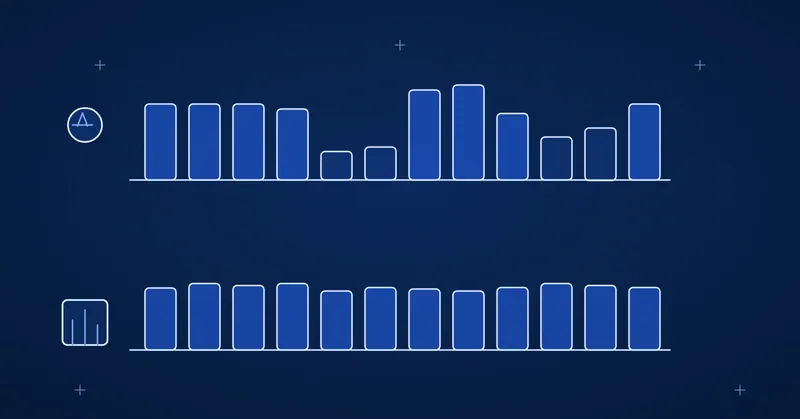
The rhythm of the year
The picture shows the pattern, not measured data: Salalah income comes in two bursts, Muscat income is steadier. A 70-night difference in our hypothetical Hawana example moves net income from OMR 3,100 to OMR 663 a year, because the fixed costs do not move [24].
- Ask any Salalah operator how many nights owners typically get in the khareef and in the winter.
- Model the weak season, not the strong one.
| Case | Gross yield | Net yield | Basis |
|---|---|---|---|
| Muscat Hills, ready 2-bed | 6.8–7.4% | 4.3–4.8% | Homelist estimate from Savills Q1 2026 rents [20] |
| Al Mouj, ready 2-bed | 4.6–5.1% | 3.1–3.4% | Homelist estimate from Savills Q1 2026 rents [20] |
| Hawana Salalah, hypothetical chalet | Not published | 0.5–2.3% | Homelist scenario on a cost of about OMR 133,942 [24] |
Letting to tourists 'hotel-style' without a tourism-activity licence is fined [16]; a new tourism regulation took effect in 2026 [17]. Whether it covers a private short let in an ITC is not spelled out, so check with the ministry or use the resort's licensed operator. From 2028 Oman also introduces a 5% personal income tax above OMR 42,000 a year, including leasing income [23].
Checked
What the sources show
Our reading
How we read it
- Salalah suits personal use in the winter or khareef better than steady income.
- Muscat suits a buyer who wants choice and a published yield range.
- Entry prices differ partly because the samples differ.
- Salalah's thin market makes resale slower.
Watch for
What could change the picture
Ownership and residency: the same rules
Neither city gives you better residency. The route depends on the property, not the place.

| Route | Condition | Duration | Source |
|---|---|---|---|
| ITC owner visa | Any ITC unit, including Muscat and Hawana Salalah; fee OMR 50; no published minimum value | 2 years | [11][12] |
| Sultan Haitham City (Muscat only) | At least 30% of the price paid; family residency reported above OMR 50,000 | 2 years | [15] |
| Golden Residency | OMR 200,000 or more in a completed ITC unit with title deed | 10 years | [13] |
All routes and family rules are in Oman residency through property; for ownership see foreign ownership in Oman.
Which place fits you?
Pick the profile closest to yours; the points in each tab are the ones that matter most for that buyer.
Uses it part of the year
Wants rental income
Wants a permit
- The 2-year ITC owner visa is the same in both places [11].
- The 10-year route needs OMR 200,000 or more in a completed ITC unit [13].
- Read residency through property before choosing.
Works or studies in Muscat
- Muscat is the capital region, with the wider choice of communities [22].
- Sultan Haitham City adds a family residency route [15].
- See Al Mouj vs Muscat Hills to compare two Muscat communities.
Five steps to decide
Pick your months
List the months you would use the home. If they fall in the khareef or the winter, Salalah is a fit; if you need year-round use, compare Muscat.
Compare like with like
Compare 'from' prices only for the same unit type and size, and ask for recent sale evidence.
Model the weak season
Use the low case for rental income and add the service charge, utilities and upkeep [24].
Checklist before you commit
- The unit is inside a licensed ITC (written confirmation) [2][3].
- You have the developer's management and rental agreement.
- You know which months you will use the home.
- You have compared the same unit type in both places [19][22].
- You have confirmed the residency route and golden tier on official pages [11][13].
- You have modelled the weak season and the 2028 tax [23][24].
Conclusion
Muscat vs Salalah property is a choice between a wide, year-round market with several ITCs and a narrow, seasonal resort market. Muscat gives more choice, lower entry points and published yield estimates. Salalah gives a milder climate and two strong seasons, but one main ITC, thin data and uneven income. Residency does not decide it: the rules are the same.
Browse Hawana Salalah listings, read our Salalah buying guide, or see the Muscat area guide. For a Muscat comparison, read Al Mouj vs Muscat Hills; or contact us.
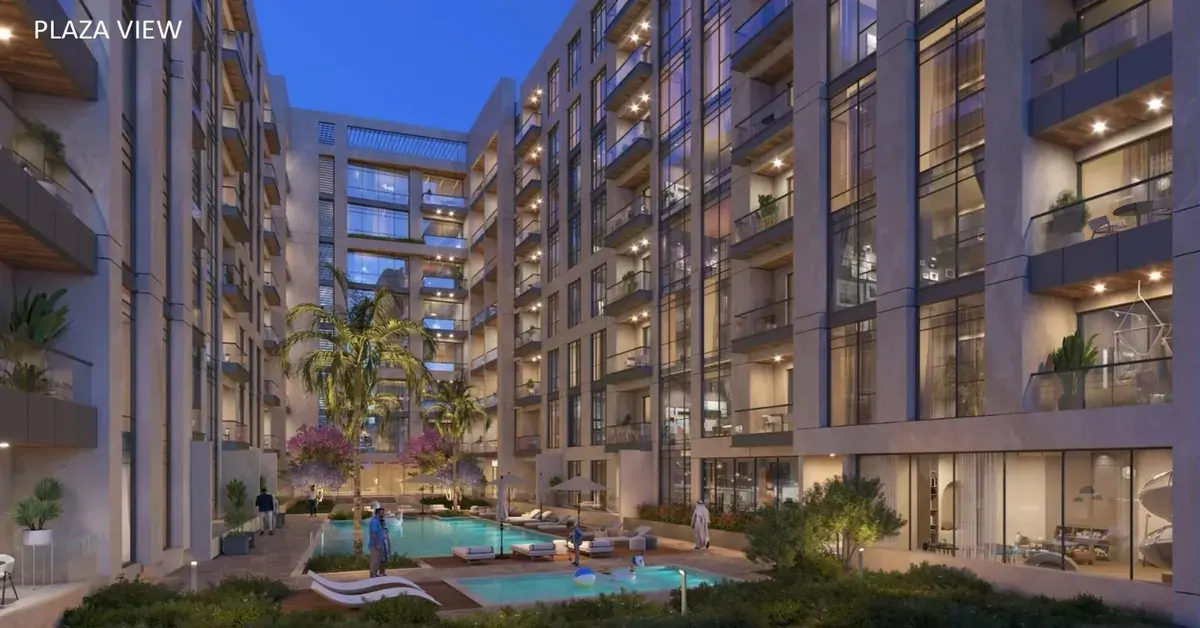
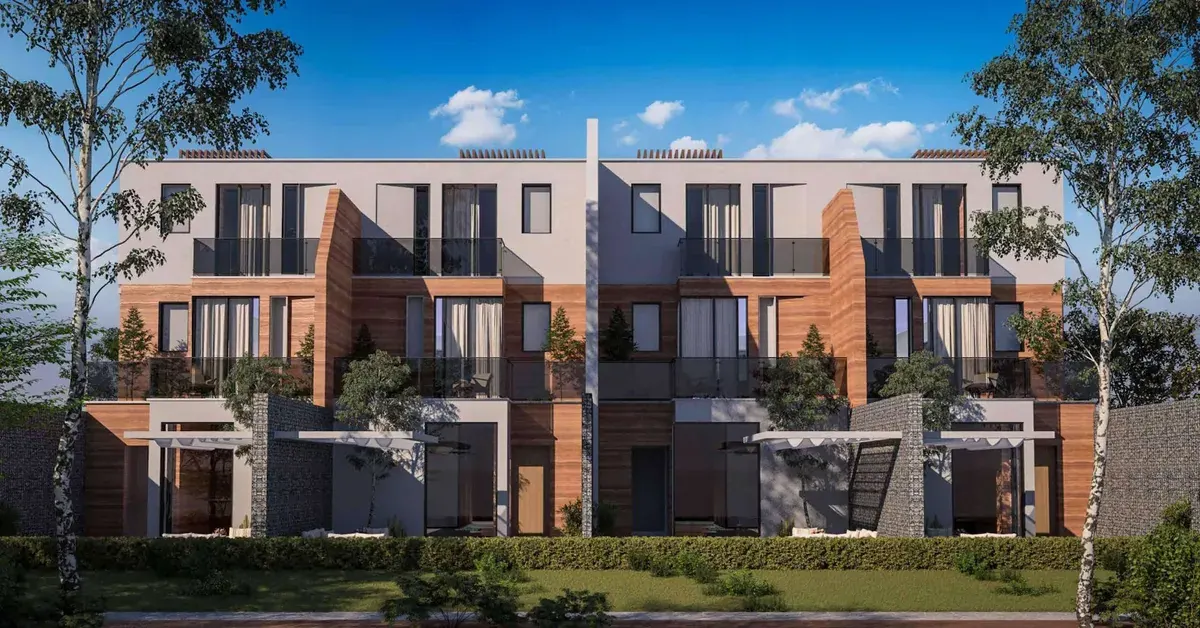
Deciding where to live in Muscat before you compare cities? See the best areas to live in Muscat for expats and families, with ownership status and school locations for seven areas.
Frequently asked questions
Is Muscat or Salalah better for a foreign buyer?
It depends on use. Muscat offers more communities, lower entry prices and published yield estimates. Salalah offers a milder climate and two demand seasons, but in practice one ITC. Residency rules are the same.
Can foreigners buy property in Salalah?
Yes, but in practice only inside an integrated tourism complex, mainly Hawana Salalah. Royal Decree 29/2018 bars non-Omanis from owning in Dhofar outside Salalah except in ITCs.
Which is cheaper, Muscat or Salalah?
On 21 November 2026 Homelist asking prices started from OMR 50,000 in Muscat Hills and from OMR 129,602 in Hawana Salalah. These are the cheapest listed units, not typical prices, and the Salalah sample is two listings.
Which gives residency?
Both. An ITC owner can apply for a 2-year visa for OMR 50, and the 10-year Golden Residency needs at least OMR 200,000 in a completed ITC unit. Residency ends when the property is sold.
Which has better rental returns?
Muscat has published estimates: 6.8–7.4% gross at Muscat Hills and 4.6–5.1% at Al Mouj. Salalah has no reliable data; in our hypothetical example net yield ranged from 0.5% to 2.3%.
When is Salalah busiest?
In the khareef from 21 June to 21 September, peaking in August and mainly for Omanis and Gulf residents, and in the winter, when visitors come from abroad.
Can I let my home to tourists?
Letting hotel-style without a tourism licence is fined. Check the rules with the Ministry of Heritage and Tourism or use the resort's licensed operator.
Is there a price index for Salalah?
We found no official Salalah price index. The figures here are dated Homelist asking prices, so treat them as entry points rather than market averages.
Last verified: Rules, visitor statistics, flights and Homelist listings checked on 21 November 2026 against the sources below. Prices are dated and shown as ranges or 'from' figures. Homelist reviews this comparison every six months.
General information, not legal, tax, immigration or investment advice, and no lawyer has reviewed it. Prices are asking prices from Homelist listings, not transactions, and are shown only as 'from' figures or ranges. The Salalah rental example is hypothetical and the income-rhythm picture is an illustration. Homelist does not guarantee rental income or residency. Confirm ownership, tourism-licence and visa rules with the developer, a lawyer and the relevant authorities before you buy.
Sources and official references
- Oman Observer (26 Jun 2021) — Royal Decree 29/2018: non-Omanis barred from owning in Dhofar except Salalah, and in other zones; exception for ITCs
- Gov.om / Ministry of Housing and Urban Planning — Own real estate in tourist complexes (updated 2 Jul 2026)
- Gulf News (Jun 2026) — Oman clarifies foreign property ownership remains restricted to designated areas
- Hawana Salalah — real estate page: projects and developer statements (checked 15 Nov 2026)
- Oman Observer (12 Sep 2026) — Khareef 2026: 1,116,051 visitors from 21 June to 31 August (+8.6%), 73.2% Omani
- TradeArabia (2026) — Dhofar khareef visitors up 6.9% to 472,449 (21 June–31 July 2026; preliminary NCSI data)
- Oman Observer (3 Aug 2026) — Why August decides the Dhofar season: structure of the 2025 khareef, hotel occupancy
- Oman Observer (18 Jul 2026) — Moscow–Salalah flights from September 2026, up to 5 a week from November; Kazakhstan–Dhofar from 20 Oct 2026
- Weather2Travel — Salalah climate by month (CRU, Met Office long-term averages)
- Muscat climate: NOAA 1991–2020 normals (table in the Wikipedia article 'Muscat')
- Gov.om / Royal Oman Police — Get residence visa for property owner in an ITC (2 years, OMR 50, no minimum value published)
- Gulf News (22 Jun 2026) — ROP Decision 87/2026: owner visa without a sponsor
- Oman Observer (31 Aug 2025) — Oman launches 10-year Golden Residency (OMR 200,000+; completed ITC unit with title deed)
- Khaleej Times (25 Aug 2025) — Oman Golden Visa explained (reported property tiers OMR 500,000 and 250,000)
- Enterprise (30 Sep 2026) — Residency incentives in Sultan Haitham City (30% payment threshold, family residency above OMR 50,000)
- Oman Observer (9 Jan 2025) — Ministry of Heritage and Tourism: letting homes to tourists 'hotel-style' without a licence is fined
- Al Tamimi (2 Jul 2026) — Oman overhauls its tourism regulations, Decision 1152/2/1/141/2026
- Ministerial Decision 570/2025 — MoHUP fees (3% registration; OMR 25 form for non-Omanis)
- Homelist Oman — Hawana Salalah listings: two chalets, asking prices as of 21 Nov 2026
- Homelist Oman — Rental yields in Oman (Nov 2026): gross and net estimates for 2-bed apartments in Muscat Hills and Al Mouj, from Savills Q1 2026 rents
- Homelist Oman — Al Mouj vs Muscat Hills (17 Nov 2026): median asking price per m² from Homelist listings (about OMR 1,310 and 792)
- Homelist Oman — Muscat listings: lowest asking price by community, as of 21 Nov 2026
- EY Tax Alert — Oman to introduce personal income tax from January 2028 (Royal Decree 56/2025): 5% above OMR 42,000, leasing income included
- Homelist Oman — Buying property in Salalah (15 Nov 2026): seasonality, hypothetical rental scenarios, risks
- World Meteorological Organization — extremely severe cyclone Mekunu over Oman and Yemen (May 2018)
- Oman Property Index — October 2026: apartment price per m² by area (Al Mouj about OMR 1,150, Muscat Hills about OMR 800)